A practical guide to choosing Multispan voltmeters, ammeters, AVF and multifunction meters for UAE distribution boards — what to measure, CT sizing, accuracy class and Modbus.
What a panel meter actually does in a UAE board
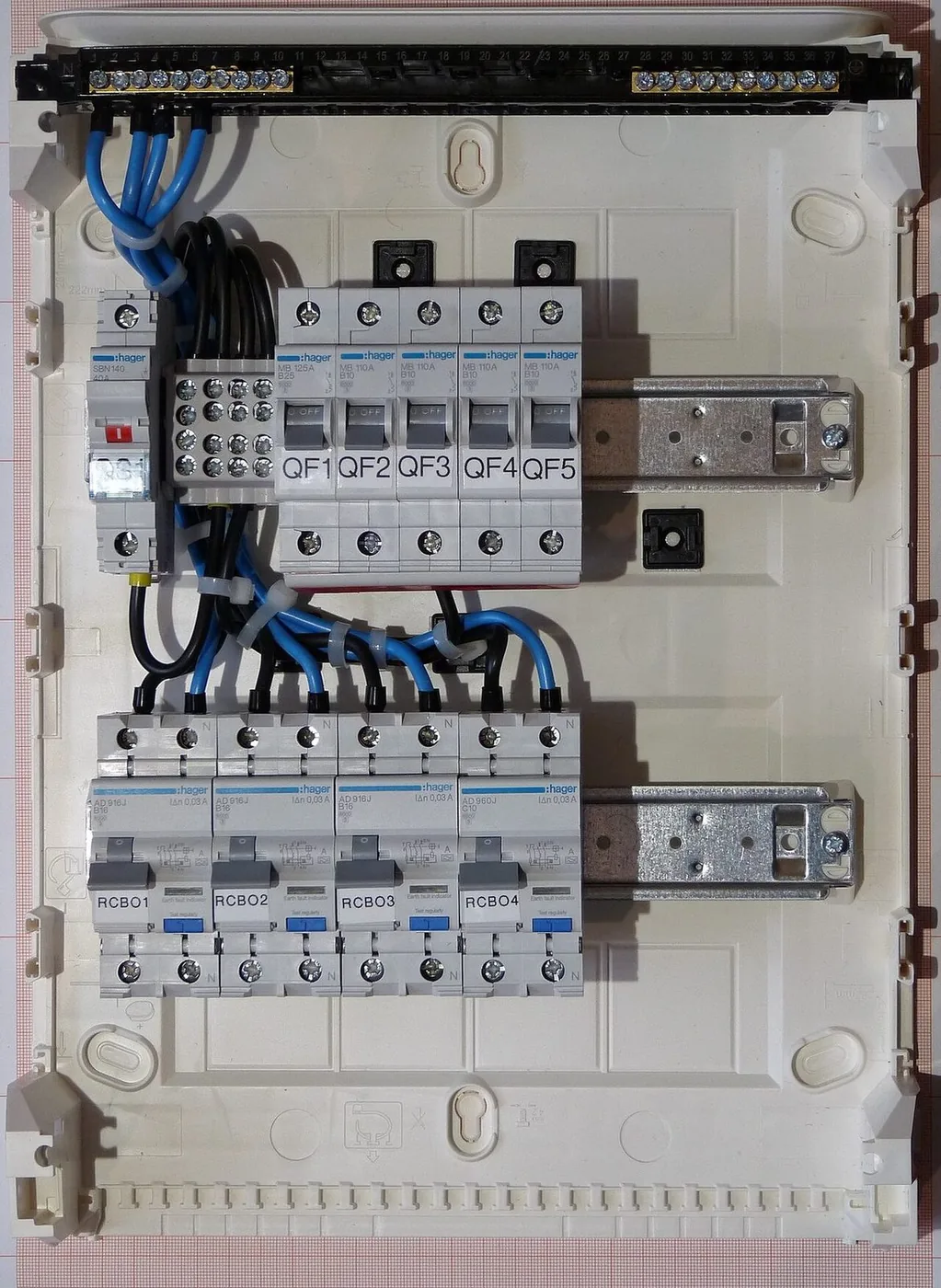
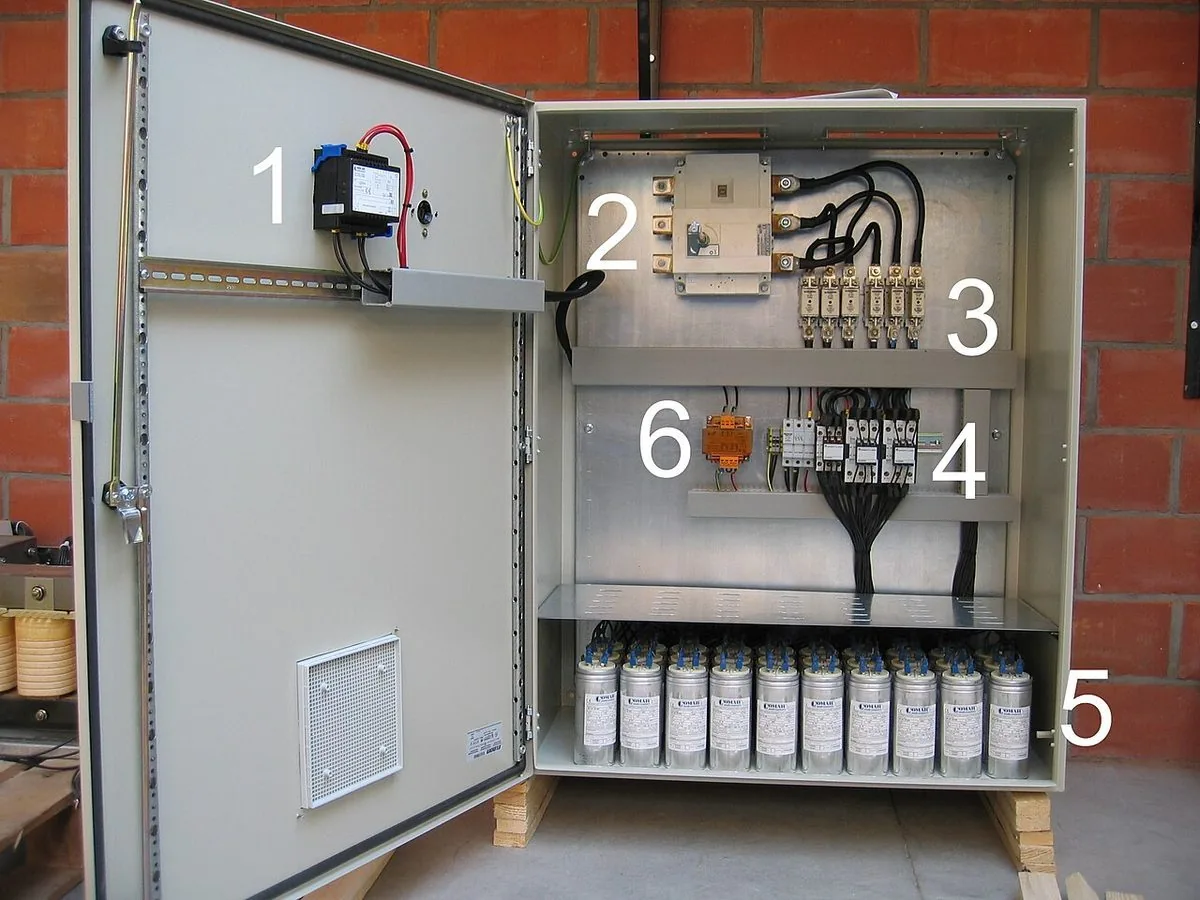
A panel meter is the window into an electrical system. On a final board it may only confirm all three phases are present and roughly balanced; on a main distribution board it records energy for tenant billing, flags a sagging phase before equipment trips, and feeds live data to a building management system. Before choosing a model, be clear about the board's role. An MDB incomer, a motor feeder in an MCC, a capacitor bank and a small final board each ask a different question of their instruments, and the meter should answer that question without over-specifying or wasting spend on data nobody reads.
Voltmeter, ammeter, AVF or multifunction meter?
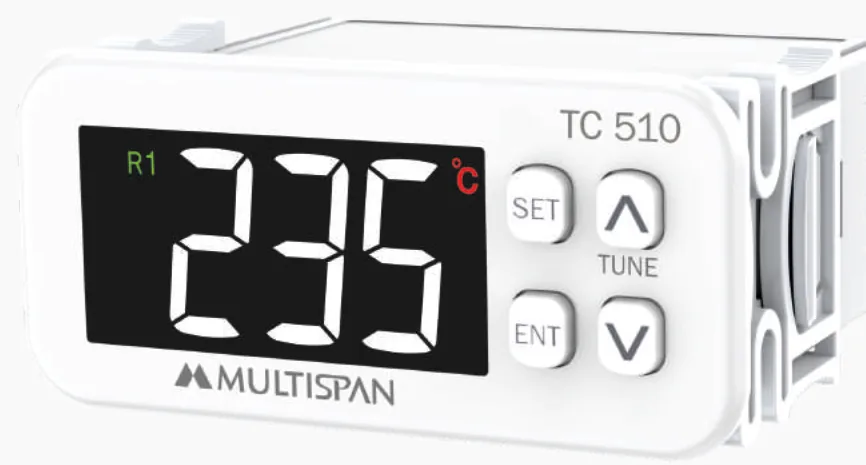
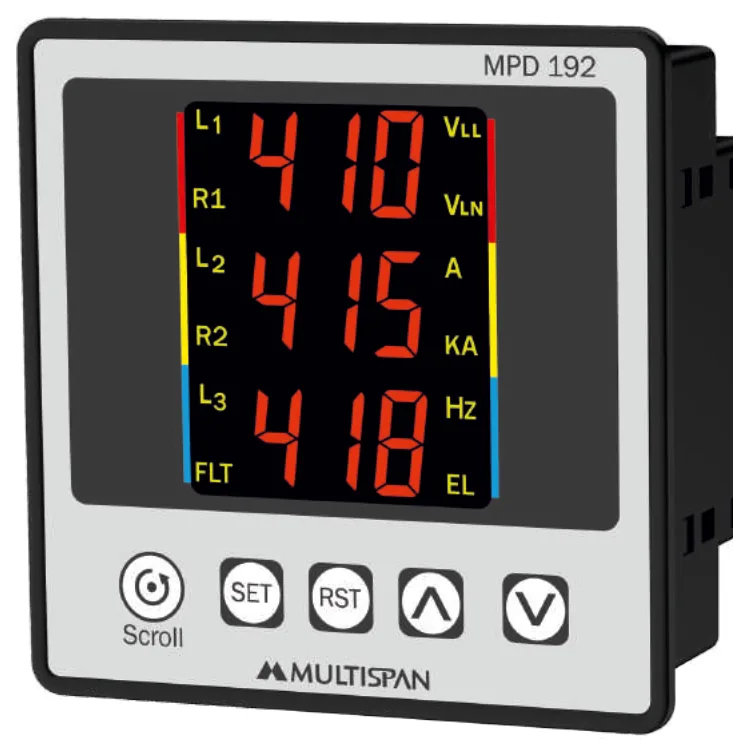
Multispan's panel metering falls into clear families. A digital voltmeter confirms line and phase voltages on 3-wire and 4-wire systems. A digital ammeter shows per-phase current, CT-operated, typically Class 1.0. An AVF meter combines amps, volts and frequency in one 96x96 mm cut-out. A multifunction meter (MFM) adds power factor, active and reactive power, energy in kWh and kVArh, demand, frequency and harmonic distortion, with pulse and RS-485 Modbus output. An energy meter focuses on cumulative kWh and power factor for billing. Choosing is mostly about how many quantities you need in a single cut-out.
Match what you measure to the board
A meter that shows too little is frustrating; one that shows too much is money spent on unread data. Final and small sub-boards usually need only a voltmeter, a voltmeter-plus-ammeter pair, or a single AVF meter. MDB and SMDB incomers are best served by a multifunction meter, adding Modbus if values feed a BMS. Capacitor banks and APFC care most about power factor and reactive kVAr. Motor feeders in an MCC benefit from per-phase current and balance to catch failing motors early. Tenant or sub-metering calls for an energy meter with RS-485 Modbus so readings can be logged centrally rather than walked to by hand.
CT sizing: the number most people get wrong
Almost every panel ammeter and MFM is CT-operated, reading a scaled current from a current transformer with a 5 A or 1 A secondary. Work through it in order. Ratio: size so normal running current sits at 60 to 80 percent of the CT primary, then round up to the next standard rating (a 1,250 A design current takes a 1600/5 CT). Secondary: use 5 A for typical panels, 1 A only for long runs. Accuracy class: Class 1 for indication, 0.5 or 0.5S for billing, never a protection class. Burden: add meter plus cable burden and pick the next standard VA, keeping leads short.
Direct-connected vs CT-operated meters
Small single-phase panel meters are often available direct-connected up to around 30 A, and DC panel meters up to about 20 A direct, with no CT required. Above those currents, and for any three-phase board of consequence, the meter is CT-operated. When replacing a meter, check whether the existing one is direct or CT-fed before ordering: a CT-operated meter wired for a direct connection, or the reverse, will read nonsense. When in doubt, note the model on the old meter and the CT nameplate so the replacement is matched correctly and reads true primary values from day one.
Reading the options: display, size and communication
Multispan meters mount in the standard 96x96 mm panel cut-out with a depth around 50 to 54 mm, run from a 230 V AC auxiliary supply, and use bright 7-segment LED displays, multi-line on AVF and multifunction units. Beyond function, the choice that matters most is communication: if the reading must reach a BMS, SCADA or a logger, specify the RS-485 Modbus RTU option and confirm the address, baud rate and register map at order time. Reading Multispan's part-number structure helps decode which variant carries the display, CT range and communication options you actually need for the board.
Wiring and safety notes for UAE panels
Two rules save equipment and installers. First, never open-circuit a CT secondary while the primary is energised; the open secondary develops a dangerous high voltage, so short the CT secondary terminals before disconnecting a meter. Second, fit a test or shorting terminal block on the CT circuit so meters can be swapped safely and readings verified during commissioning. Voltage inputs should be fused, and on a 4-wire system the neutral reference must be connected for correct phase-voltage readings. Built into a panel manufactured to IEC 61439, these details keep the metering both accurate and serviceable over the panel's life.