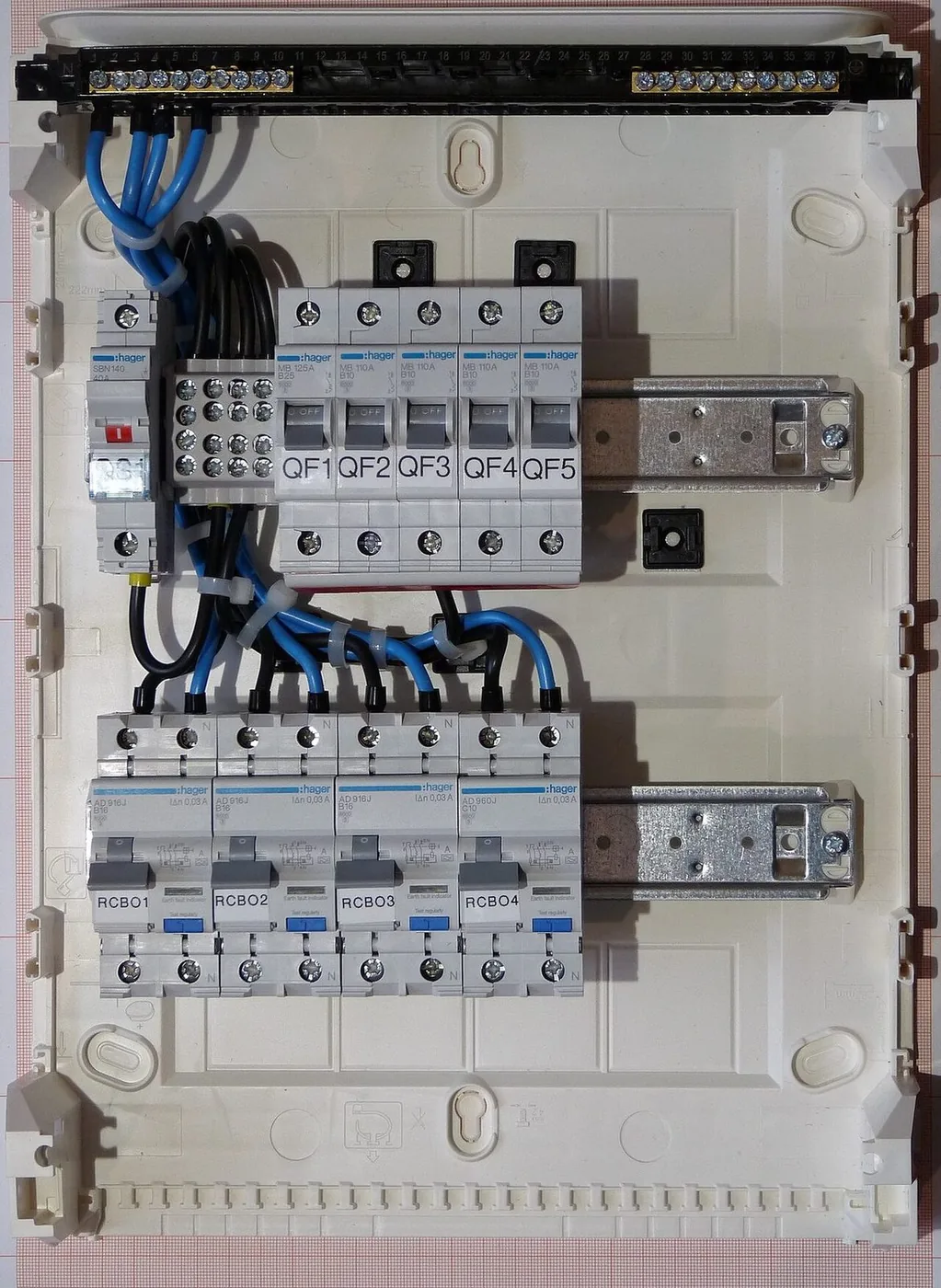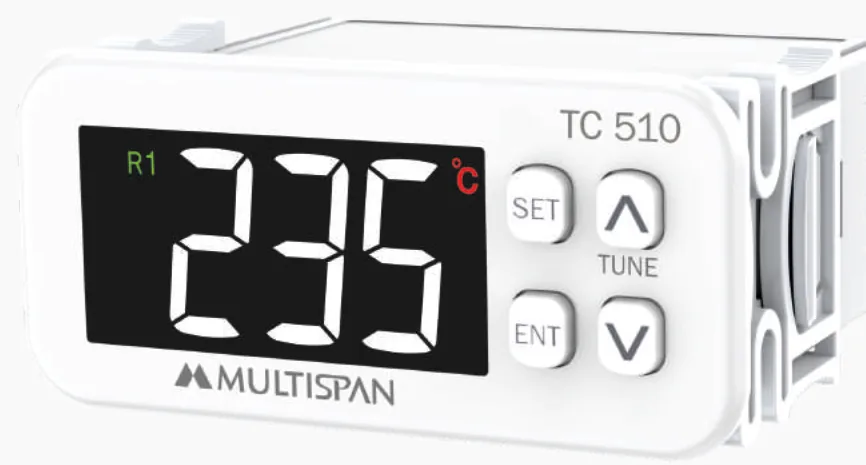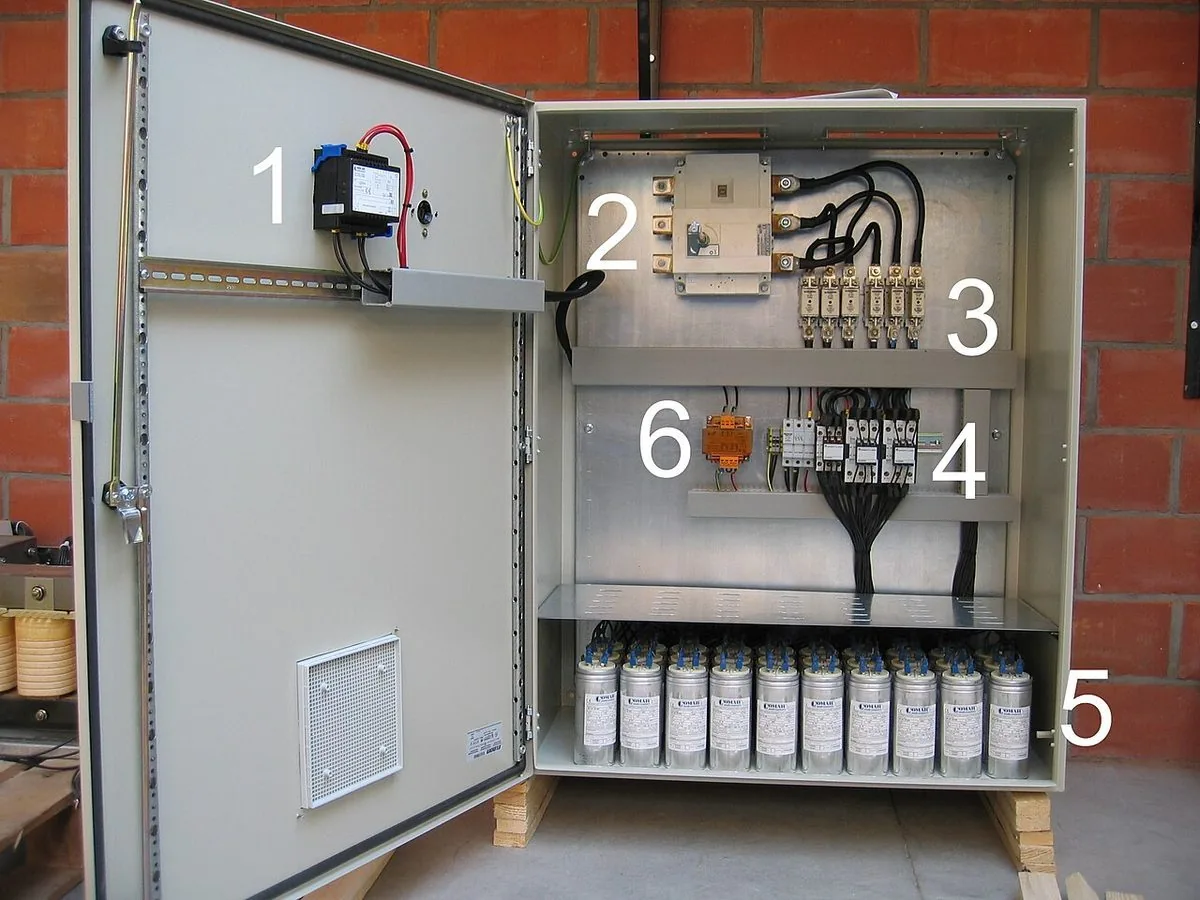
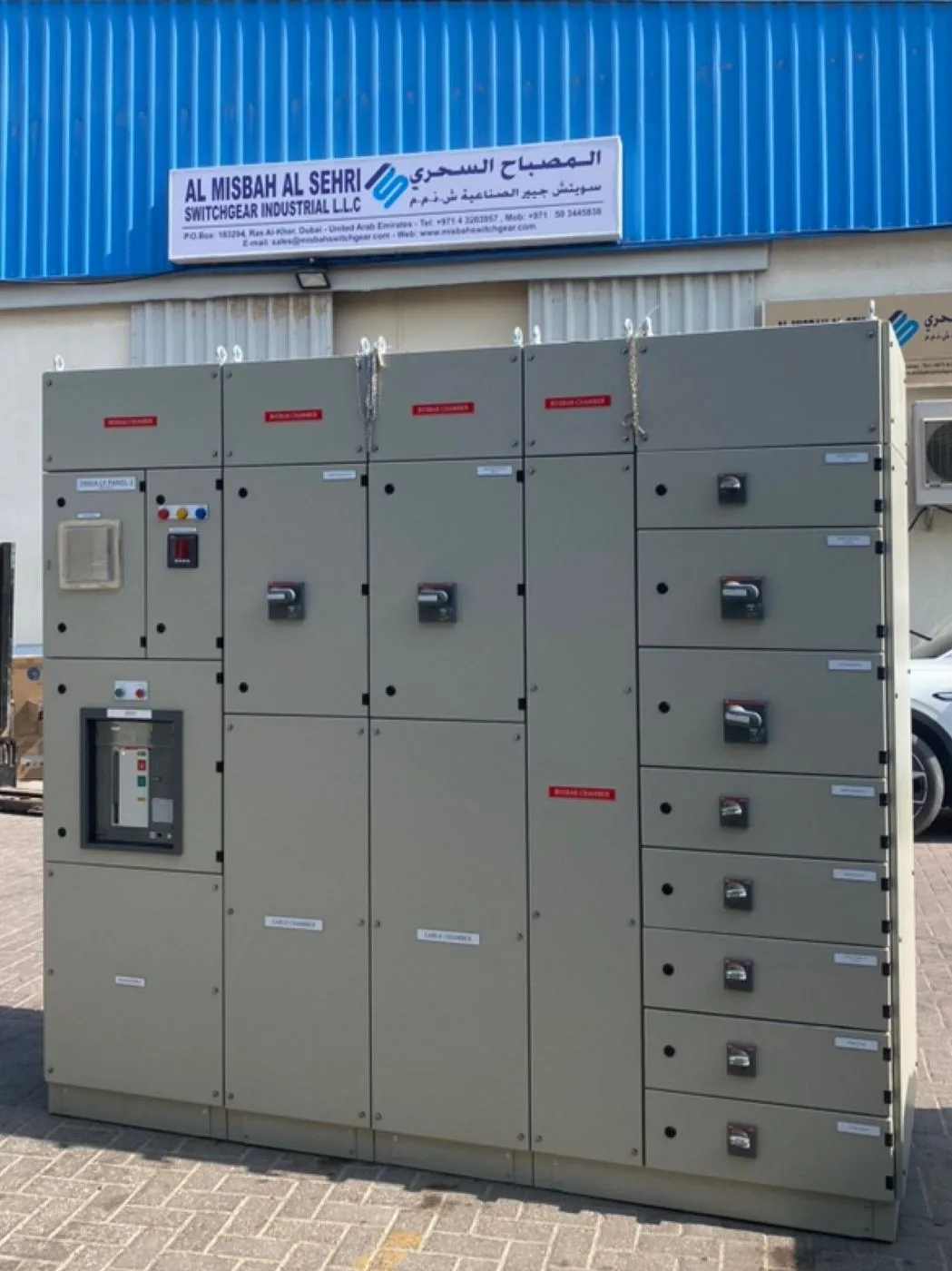
Before an LV panel can be energised in Dubai, it has to satisfy DEWA on standards, components, metering, labelling and documentation. Here is what that involves in practice.
Why DEWA approval matters
Any low-voltage panel that connects to the Dubai Electricity and Water Authority (DEWA) network — an MDB, SMDB, FDB, MCC or capacitor bank — has to satisfy DEWA before it can be energised. The aim is safety, network stability and accurate metering, so approval touches the whole chain: the design on the single-line diagram, the standard the assembly is built to, the components inside it, and the paperwork that proves all of the above. Getting these right early prevents rejected drawings, failed inspections and delayed connections. This guide walks through what DEWA and Dubai consultants typically expect from an LV panel, and how a compliant panel is specified and documented.
Build to IEC 61439
The core requirement is that the assembly complies with IEC 61439-1 and IEC 61439-2, the international standard for low-voltage switchgear and controlgear assemblies (which replaced the older IEC 60439). Compliance is demonstrated through design verification — type-tested or equivalent verified constructions — covering temperature rise, short-circuit withstand, dielectric properties, clearances and creepage, and mechanical operation. The panel builder should be able to show that the enclosure system, busbar arrangement and component layout fall within a verified design. In Dubai, consultants and DEWA reference this framework, so specifying "built and verified to IEC 61439-2" is the baseline every approved panel must meet.
Components and short-circuit rating
DEWA and the project consultant expect protective devices — ACBs, MCCBs, MCBs and RCDs — from recognised, IEC-compliant manufacturers, correctly rated for the circuit and coordinated for discrimination. The most safety-critical figure is the short-circuit withstand: the panel's rated short-time (Icw) and conditional (Icc) ratings must exceed the prospective fault level at that point in the network. Under-rating here is a common cause of rejection. Busbars must be sized for the rated current with adequate copper cross-section and bracing. Using genuine, traceable components from brands such as ABB, Schneider, Legrand, Eaton or Siemens makes verification and consultant sign-off far smoother.
Metering provisions
DEWA metering has its own requirements, separate from the distribution design. LV panels generally need a dedicated, sealable metering compartment or CT chamber built to DEWA's arrangement, with current transformers of the correct ratio and accuracy class (typically Class 0.5 for tariff metering) and clear, unobstructed access for the DEWA meter and its terminals. Sealing provisions must prevent tampering after commissioning. The CT primary rating has to match the connected load so that metering is accurate across the demand range. Getting the metering section wrong — wrong CT ratio, no sealing, poor access — will hold up energisation even if the rest of the panel is faultless.
Labelling and phase identification
Clear, durable labelling is a firm expectation. The panel needs a permanent rating nameplate stating the manufacturer, assembly type, rated voltage and current, short-circuit rating, IP rating, frequency and the standard (IEC 61439-2). Every outgoing way should be labelled to match the single-line diagram and load schedule, and danger/warning labels (for example "Danger 415V") must be fitted where live parts are accessible. Phase identification follows IEC/UAE practice — brown, black and grey for L1, L2 and L3, blue for neutral, and green-and-yellow for earth. A laminated single-line diagram fixed inside the panel door is standard good practice and helps at inspection.
Earthing, IP rating and form of separation
A continuous protective earth circuit is essential: a properly sized main earth bar, verified protective conductor continuity throughout the assembly, and correct bonding of doors and removable parts. The enclosure's ingress protection (IP) rating must suit its location — a higher IP for plant rooms, outdoor or wash-down areas, a standard indoor rating for switch rooms. The internal form of separation (Form 1 to Form 4 under IEC 61439-2) should match what the consultant specifies; higher forms give greater segregation between busbars, functional units and terminals, allowing safer maintenance on a live board. These choices belong on the approved drawings, not left to the workshop.
Documentation and the approval workflow
Approval runs on paperwork. The consultant submits the single-line diagram, load schedule and general-arrangement drawings for DEWA review as part of the load application. The panel builder supplies design-verification/type-test references, material approvals for the major components, and routine test certificates once the panel is built — insulation resistance, dielectric strength, protective-circuit continuity and functional operation per IEC 61439. Before energisation, the completed panel is inspected and tested against the approved drawings. Keeping this documentation complete, consistent and matched to what is physically installed is what turns a finished panel into a connected one.
How Al Misbah Al Sehri helps
We manufacture MDB, SMDB, FDB, MCC, ATS and capacitor-bank panels in Dubai, built to IEC 61439-2 and to the requirements DEWA and Dubai consultants apply. We work from your single-line diagram and load schedule, use genuine components from brands like ABB, Schneider, Legrand, Eaton and Siemens, provide the metering, labelling and earthing arrangements expected locally, and hand over routine test records and documentation to support approval. If you are specifying a panel for a Dubai project, send us your drawings and load details and our team will quote a compliant build with realistic lead times.